
Why Makeup Pills Over Serum and What to Do
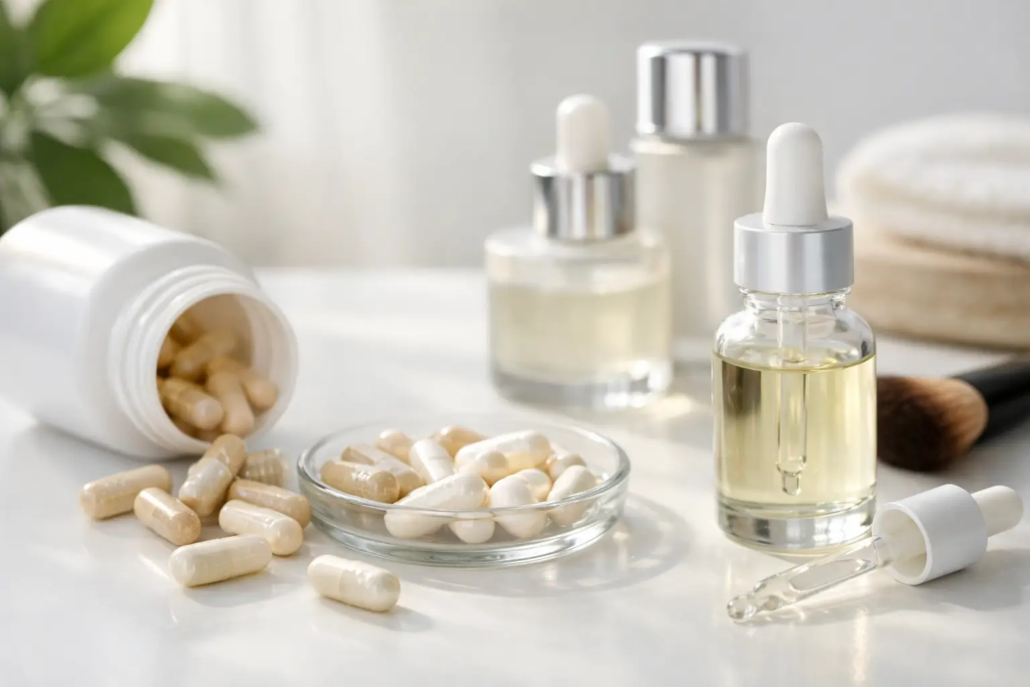
You apply your serum, wait a moment, reach for foundation, and suddenly tiny flakes start rolling across your cheeks. If you are wondering why makeup pills over serum, the problem is usually not your skin or your makeup alone. It is the way products, texture, timing, and application pressure are working together.
The good news is that pilling is usually easy to prevent. A few smart changes can help your makeup sit smoothly, keep your complexion looking polished, and let the skincare benefits you want stay where they belong – on your skin.
Why Makeup Pills Over Serum
Pilling happens when a product does not settle evenly into the skin before another layer is applied. Instead of forming a smooth base, the products gather into little rolls or flakes when you rub, blend, buff, or press makeup on top.
Serums are especially likely to pill under makeup when they contain film-forming ingredients, silicones, polymers, thick humectants, or ingredients designed to create a smoothing effect on the surface of the skin. None of those ingredients are automatically bad. In fact, many are useful for hydration, blurring texture, or creating a temporarily tighter-looking finish. The issue is often using too much, layering too quickly, or adding a heavy makeup formula over the top.
Your foundation technique matters, too. Rubbing with a brush, repeatedly swiping with fingers, or aggressively blending concealer can disturb the skincare layer underneath. What looked perfectly smooth at first can begin to lift and ball up under that friction.
Too much product is often the real culprit
More serum does not always mean better results. Skin can only comfortably hold so much product on its surface. When the excess has nowhere to go, it sits on top and becomes easy to move around with foundation or powder.
This is particularly true around the eyes, where people often layer eye cream, serum, moisturizer, primer, concealer, and setting powder. That is a lot of texture in one small area. A thin, controlled layer usually performs better and looks far more natural.
Your layers may be fighting each other
Some formulas simply do not layer well. A rich cream under a long-wear matte foundation may separate. A gripping primer over a slippery serum may create rolling. A full-coverage foundation applied over a serum that has not dried down can catch on the surface and pull it apart.
The familiar rule about water-based and silicone-based products can be helpful, but it is not the whole story. Products with similar bases can still pill if one formula creates a film, if there is too much product underneath, or if you blend too forcefully. Think of compatibility as more than an ingredient label. It is also about finish, amount, and technique.
How to Keep Makeup From Pilling Over Serum
Start with less than you think you need. Use a small amount of serum, spread it in a thin layer, and focus it where you need it most. If your skin feels slick, tacky, or visibly coated after application, you may have applied more than your makeup can comfortably sit over.
Then give it time. Depending on the formula, a serum may need two to five minutes to settle. A richer treatment or a product made to form a smoothing surface layer may need longer. The goal is not to rush through your routine. The goal is to make sure each layer has a chance to set before the next one arrives.
When it is time for makeup, press or stipple instead of rubbing. A damp makeup sponge can be especially helpful because it places foundation onto the skin with less drag. If you prefer a brush, use gentle tapping motions rather than circular buffing, especially around the nose, under-eye area, and fine lines.
The Right Order for Skincare and Makeup
A simple routine is often the smoothest routine. After cleansing, apply your lightweight treatment serum first. Follow with moisturizer only if your skin needs it, then sunscreen during the day. Let each layer settle before applying primer or makeup.
If your serum is very hydrating and your foundation already has a dewy finish, you may not need a separate primer. Adding another layer just because it is part of a routine can create unnecessary buildup. On the other hand, if you have oily skin or want makeup to last through a long event, a very thin layer of a compatible primer may be worthwhile.
The best routine depends on your skin and your desired finish. Dry skin may need a light moisturizer beneath makeup. Oily skin may do better with fewer layers. Mature skin often looks its best with strategically placed hydration and a lighter hand with powder, which can catch on dry patches and emphasize texture.
Be careful around the eyes
Under-eye pilling is frustrating because it can make concealer look crepey, cakey, and more noticeable than bare skin. The answer is not to pile on more concealer. Reduce the layers underneath first.
Use a tiny amount of eye treatment, allow it to absorb fully, then apply concealer in thin, pressed-on layers. Set only where you truly crease, and use a minimal amount of finely milled powder. A heavy powder layer can make even good skincare and beautiful concealer look dry.
Instant Tightening Serums Need a Different Technique
Some rapid-results facial treatments are designed to create a temporary tightening film as they dry. This can be a powerful option when you want the look of smoother under-eyes, softened fine lines, or firmer-looking skin before an event, a photo, or a day when you want to feel especially confident.
But this type of formula needs precision. Apply it to clean, dry skin in a very thin layer. Let it dry completely without touching, squinting, or rubbing the area. If you apply foundation too soon, add a rich cream over it, or use a heavy hand with makeup, you can disrupt the finish and cause visible flaking or pilling.
With an instant tightening product such as EpiLift, think of the application as a targeted beauty step rather than a product to heavily layer beneath a full skincare routine. Use the smallest effective amount and build your makeup around the finish it creates. Lightweight makeup, gentle pressing motions, and a restrained amount of powder tend to give the most polished result.
Common Fixes That Can Make Pilling Worse
When makeup begins to roll, it is tempting to keep rubbing until the flakes disappear. That usually makes the problem more obvious. Friction lifts more product, creates uneven patches, and can leave foundation looking patchy.
Instead, gently remove the affected area with a clean, slightly damp sponge or cotton swab. If the pilling is severe, take off that small section, let the skin dry, and reapply a much thinner layer of serum or makeup. A quick reset looks better than trying to force incompatible layers to cooperate.
Also avoid trying to solve pilling by adding more moisturizer, more primer, or more foundation. Sometimes skin is dry and needs moisture, but many pilling issues come from excess product, not a lack of it. Keep your test simple: use fewer layers, wait longer, and apply with less pressure.
A Smooth Makeup Finish Starts Before Foundation
Good makeup application is not about owning more products. It is about knowing what each layer is doing. Your serum should support your complexion, not compete with it. Your foundation should enhance the look of your skin, not drag across a surface that has not had time to set.
If makeup pills occasionally, do not assume the serum has failed or that you need to replace every product in your bag. Change one variable at a time: use less serum, extend your wait time, skip an unnecessary layer, or switch from rubbing to pressing. Those small adjustments can be the difference between makeup that catches on every line and a smooth, refreshed finish that lets you look as confident as you feel.
Leave a Reply
Want to join the discussion?Feel free to contribute!