
What Causes Morning Eye Puffiness? 8 Common Triggers
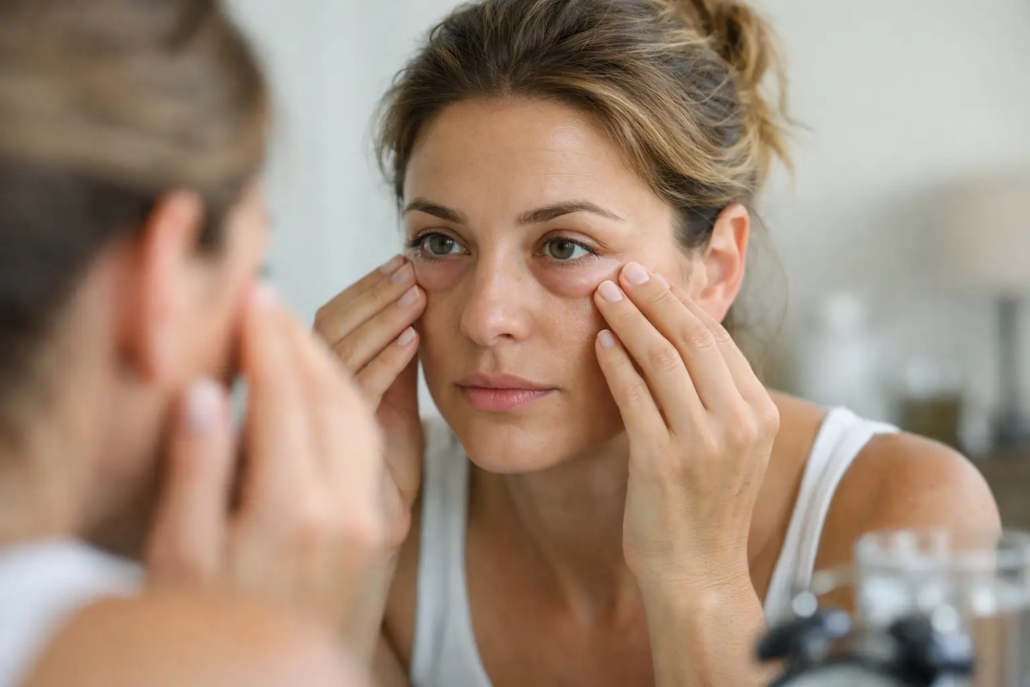
You wake up, look in the mirror, and your under-eyes seem to have arrived before the rest of your face. Morning puffiness can make you look tired, stressed, or older than you feel – even after a perfectly decent night of sleep. So, what causes morning eye puffiness? Usually, it is a temporary buildup of fluid, made more noticeable by the delicate, thinner skin around the eyes.
The good news is that most morning under-eye puffiness is manageable. Once you understand what is triggering it, you can make a few smart adjustments and use fast cosmetic solutions when you want to look smoother, brighter, and more awake.
What Causes Morning Eye Puffiness?
During the day, gravity helps fluid move through the body. When you lie flat overnight, fluid can settle more easily in the soft tissue beneath your eyes. The under-eye area has very little fat and thin skin, so even a small amount of swelling can look dramatic.
For some people, puffiness disappears shortly after getting up. For others, it lingers through makeup, meetings, and morning errands. That difference often comes down to your sleep habits, diet, allergies, skin changes, and genetics.
1. Sleeping flat or not getting enough sleep
A flat sleeping position can encourage fluid to collect around the eyes overnight. Sleeping on your stomach may make it more noticeable because your face stays pressed into a pillow for hours.
Short sleep can add another layer to the problem. When you are run down, the skin may look duller and less firm, making under-eye bags stand out more. Sleep is not a magic cure for every bag, especially ones related to aging or heredity, but inconsistent rest can absolutely make puffiness look worse.
Try raising your head slightly with an extra pillow or a wedge designed for comfortable elevation. The goal is not to sleep sitting up. A gentle incline can be enough to help reduce morning fluid pooling.
2. A salty dinner or evening drinks
That restaurant meal, salty snack, or takeout dinner may show up around your eyes the next morning. Sodium encourages the body to hold on to water, and the under-eye area is one of the first places that retention becomes visible.
Alcohol can have a similar effect, though in a more complicated way. It can contribute to dehydration and disrupt sleep, which may leave the body retaining fluid while making the skin look less fresh. One evening out does not permanently create under-eye bags, but it can make existing puffiness much more obvious the following day.
You do not have to eliminate every salty food or celebratory drink. If you have an important event or photo day ahead, simply choose a lighter dinner, drink water consistently, and give yourself a little more time in the morning to depuff.
3. Allergies and nasal congestion
Seasonal allergies, pet dander, dust, and indoor irritants can all lead to puffy eyes. When allergies trigger inflammation, the body releases histamine, which can cause swelling, itching, tearing, and rubbing. Congestion can also affect circulation and drainage around the eyes, leading to the shadowy, swollen look many people recognize as allergy eyes.
If your puffiness comes with itchiness, sneezing, watery eyes, or a stuffy nose, allergies may be a major contributor. Keeping bedding clean, washing your face after spending time outdoors, and following advice from your healthcare professional can make a meaningful difference.
Resist rubbing your eyes, even when they feel irritated. Rubbing can worsen swelling and may stretch the already delicate under-eye skin over time.
4. Normal aging and changing skin structure
As skin matures, it naturally produces less collagen and elastin. The support structures around the eyes can weaken, and fat that once sat smoothly in place may shift forward. This creates a fuller under-eye contour that looks like puffiness but does not completely disappear after a cold compress or a good night’s sleep.
This is why two people can have the same late night and wake up looking very different. One may have temporary fluid retention. The other may have age-related under-eye bags that are simply more visible in the morning.
Topical skincare cannot change every structural cause of under-eye bags. But an instant tightening treatment can help improve the appearance of loose-looking, puffy under-eye skin for the day, especially when you want a more polished look without injections, downtime, or a procedure.
5. Genetics and facial anatomy
Some people are simply predisposed to under-eye bags. If close relatives have prominent bags, hollows, or puffiness, your facial anatomy may be playing a larger role than your nightly routine.
Genetic puffiness can appear earlier in life and may stay visible even when you sleep well, eat carefully, and use great skincare. That is not a personal failure. It is a reminder to set realistic expectations: lifestyle habits can reduce temporary swelling, while cosmetic solutions can help create a smoother, more refreshed appearance when you want it.
6. Dehydration and dry-looking skin
It sounds backward, but not drinking enough water can make puffiness appear more noticeable. When the body is dehydrated, it may retain fluid, and dry skin can make fine lines and under-eye texture look sharper.
Start with steady hydration during the day rather than trying to drink a large amount right before bed. Drinking too much late at night can interrupt sleep with bathroom trips, which is not exactly a recipe for rested-looking eyes.
A hydrating skincare routine also helps the under-eye area look more supple. Just be careful with heavy products immediately before sleep if they tend to migrate into your eyes or cause irritation.
7. Eye irritation and skincare sensitivity
Fragrance, harsh cleansers, expired eye makeup, lash products, or even a new eye cream can irritate the skin around your eyes. The result may be redness, watering, itching, and morning swelling.
If puffiness began after introducing a new product, stop using it around the eye area for a few days and see whether the issue improves. Choose gentle, fragrance-free formulas when sensitivity is a concern, and always remove eye makeup thoroughly before bed.
Application matters, too. Avoid rubbing in products aggressively. Use your ring finger to lightly tap a small amount around the orbital bone rather than placing a thick layer directly along the lash line.
8. Medical causes that deserve attention
Most puffy eyes are harmless and temporary, but persistent or sudden swelling should not be ignored. Thyroid conditions, kidney problems, skin conditions, infections, and certain medications can sometimes contribute to swelling around the eyes.
Seek prompt medical care if swelling is painful, red, warm, one-sided, severe, paired with vision changes, or accompanied by trouble breathing. It is also wise to speak with a healthcare professional if your eye puffiness is new, persistent, or noticeably worsening without an obvious explanation.
How to Reduce Puffy Eyes in the Morning
For ordinary morning puffiness, speed matters. A cool compress can temporarily constrict blood vessels and help reduce the look of swelling. Use a clean, cool washcloth for a few minutes, or try chilled eye masks if they feel comfortable. Do not place ice directly on the skin.
Next, sit upright, drink water, and give your face time to wake up before applying makeup. A gentle outward-and-upward massage around the orbital bone may help move the appearance of pooled fluid, but pressure should stay light. The eye area does not respond well to aggressive rubbing.
When you need a more immediate cosmetic improvement, choose products that are designed to visibly smooth and tighten the look of under-eye bags. EpiLift uses an instant tightening mineral film to help create a firmer, more refreshed appearance within minutes. Apply a very thin layer to clean, dry skin and let it set without excessive facial movement for the smoothest finish.
Makeup can help, but use it strategically. Heavy concealer on swollen skin can settle into fine lines and call more attention to texture. A light, hydrating concealer paired with a brightening corrector usually looks more natural than trying to cover puffiness with thick layers.
Build a Routine That Supports Brighter-Looking Eyes
The most effective approach is rarely one dramatic trick. It is a combination of better sleep positioning, reasonable sodium intake, allergy management, gentle skincare, hydration, and a fast-acting cosmetic option for the mornings when you want visible results now.
Pay attention to patterns for a week or two. If you consistently wake up puffy after certain meals, after drinking alcohol, during allergy season, or when sleeping flat, you have found a useful clue. Small changes are easier to stick with when you can see what they do for your reflection.
Your face does not need to look permanently exhausted just because life includes late dinners, changing hormones, seasonal allergies, or naturally fuller under-eyes. Give yourself a few calm minutes each morning, treat the area gently, and choose solutions that help you step out looking like you had the rest you deserve.

Leave a Reply
Want to join the discussion?Feel free to contribute!