
How to Layer Face Serum Under Makeup Smoothly
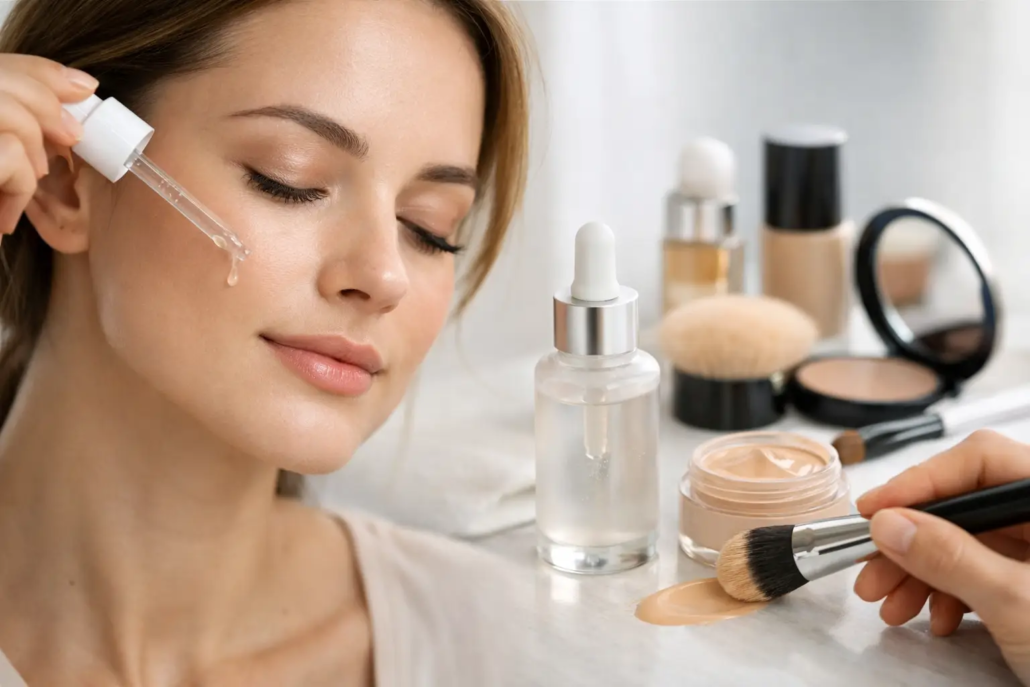
Your foundation should make you look refreshed, not settle into fine lines, cling to dry patches, or slide off by lunch. The secret is not always a new makeup product. When you layer face serum under makeup with the right amount, timing, and technique, your complexion can look smoother, more even, and visibly more polished.
For mature skin, prep matters as much as the foundation itself. A serum can give thirsty skin a more cushioned feel, while an instant tightening formula can help create the firmer-looking, smoother canvas you want before concealer and coverage go on. But more product is not better. The wrong order or a heavy hand can lead to pilling, patchiness, or a tight finish that makeup cannot sit on comfortably.
How to Layer Face Serum Under Makeup
Start with clean, completely dry skin. This is especially important with fast-acting tightening serums designed to form a smoothing film on the skin. Water, leftover cleanser, facial oil, or a rich cream can interfere with how evenly that film sets.
Use a small amount of serum. Think thin, targeted layers rather than a thick coat across the entire face. Apply it where you want a more refreshed appearance: under the eyes, around crow’s feet, across forehead lines, beside the mouth, or anywhere pores and texture look more noticeable. Gently spread or pat the formula into place according to its directions, then leave it alone while it dries.
This is the moment many makeup routines go wrong. Rubbing, fanning aggressively, adding another skincare product too soon, or checking the area every few seconds can disrupt the finish. Give the serum time to settle fully. Depending on the formula and the amount used, that may take a few minutes.
Once the skin feels dry and smooth, assess it in natural light. If you see a white cast, flaking, or visible residue, do not try to cover it with a thick layer of foundation. Usually, that means too much product was applied or the formula was disturbed before it set. Remove it gently and restart with less.
Choose your moisturizer carefully
Not every serum needs a moisturizer underneath, and not every moisturizer works well with an instant tightening formula. If your skin is very dry, use a light, fast-absorbing moisturizer first, then allow it to absorb completely before serum. Avoid applying heavy oils, balms, or silicone-rich creams directly over a tightening serum unless the product directions specifically say you can.
If your serum is primarily hydrating rather than tightening, the order is more flexible: cleanse, serum, moisturizer, sunscreen, then makeup. The goal is still the same – each layer should absorb before the next one goes on.
For daytime wear, sunscreen belongs in the routine. A lightweight sunscreen that dries down well is typically easier to pair with makeup than a glossy or greasy formula. If you use an instant face-lifting serum, test the order on a quiet morning before relying on it for an event. Some formulas perform best on bare, dry skin, while others tolerate a light moisturizer underneath.
Let Each Layer Set Before Makeup
Patience gives makeup a better place to sit. After applying serum, wait until the skin no longer feels wet, tacky, or slippery. Then use a light touch with complexion products.
A damp sponge can work beautifully for sheer foundation because it presses product onto the skin without dragging. A soft brush also works, provided you use short tapping motions instead of long, sweeping strokes. The same rule applies to concealer under the eyes: press it gently where coverage is needed. Do not scrub it back and forth over a freshly set treatment.
Thin layers win here. Start with less foundation than you think you need, then add coverage only where redness, dark circles, or discoloration remain visible. Heavy foundation can make texture more noticeable, even when your skincare prep is excellent. A lighter base lets the skin’s smoother-looking finish show through.
Powder should be selective, not automatic. If you tend to get shine around the nose, chin, or forehead, set only those areas with a finely milled powder. Under the eyes and around lines, too much powder can create the very dry, creased look you were trying to avoid. A small amount pressed in with a puff is usually enough.
Make the formula and foundation work together
Makeup compatibility depends on texture. A water-based serum often pairs most easily with water-based complexion products, while silicone-heavy primers and foundations may behave differently on top of a mineral tightening film. There is no single rule that works for every formula, so a quick wear test is worth the effort.
Apply your full routine on one side of the face first if you are trying a new combination. Notice whether the foundation glides on, catches, pills, separates, or emphasizes dry spots. If it pills, simplify the layers. Skip the primer, reduce the serum amount, or switch from a brush to a pressing motion with a sponge.
An instant treatment such as EpiLift is best treated as a precision step, not another heavy layer in an already crowded routine. Use it strategically where you want visible smoothing, let it dry fully, then keep the makeup application light. That approach helps you get the polished look without burying the result under product.
Common Problems When Layering Serum Under Makeup
A serum that looks great on bare skin can still need a small adjustment before it becomes makeup-ready. Most problems come down to product quantity, dry time, or friction.
If makeup starts rolling into little flakes, you may have layered incompatible textures or applied makeup before the serum set. If foundation looks patchy, your skin may need more hydration underneath, or you may be using too much powder. If the under-eye area feels tight, reduce the amount of tightening serum and apply it only where puffiness or lines are most visible rather than coating the entire area.
Keep these four quick fixes in mind:
- Use less serum than you would use with a standard hydrating product.
- Wait until the surface is fully dry before applying foundation or concealer.
- Press makeup on gently instead of rubbing it across the skin.
- Keep rich creams, face oils, and heavy primers away from areas treated with a tightening formula.
There is also a difference between a special-occasion routine and everyday wear. For a photo day, dinner, reunion, or important meeting, you may want to focus the serum on your most visible concerns and use a lighter complexion product everywhere else. For daily makeup, a hydrating serum and breathable base may feel more comfortable. Your skin, climate, and foundation choice all affect what looks best.
A Makeup Routine That Looks Like Skin
The most flattering result is rarely a fully matte, heavily covered face. It is skin that looks rested, smooth, and cared for. After your serum has set, apply targeted concealer, a light layer of foundation or skin tint, and minimal powder where needed. Add cream blush or bronzer with tapping motions, then finish with a soft eye and lip color that bring attention to your features rather than texture.
Check your makeup after ten minutes, not just immediately after application. That is when foundation settles and you can see whether another light press of powder is necessary. If your skin still looks fresh, leave it alone. Constant touch-ups can break down the finish and make lines more apparent.
Your best makeup days start before the makeup bag opens. Give your serum a few quiet minutes to do its work, keep every layer light, and let your natural-looking smoothness take center stage.
Leave a Reply
Want to join the discussion?Feel free to contribute!