
How to Smooth Lip Lines for a Softer Look
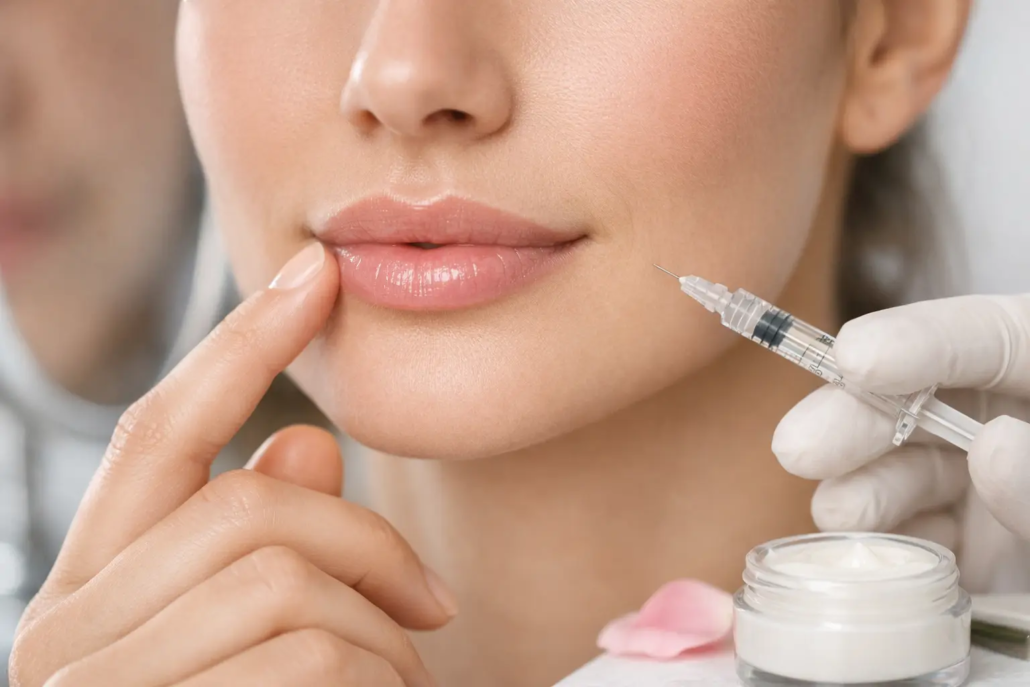
Fine vertical lines around the mouth can make lipstick feather, settle into creases, and draw attention away from an otherwise fresh, polished look. If you are wondering how to smooth lip lines without needles, downtime, or an expensive treatment plan, the most effective approach is to combine smart daily care with a few fast, appearance-focused techniques.
Lip lines are normal, but they do not have to define your makeup or your confidence. With the right prep, application, and targeted smoothing support, the skin around your mouth can look softer, more hydrated, and visibly more refined in minutes.
Why Lip Lines Become More Noticeable
The skin around the mouth is constantly moving. Talking, smiling, sipping through a straw, and pursing the lips all create repeated folding in an area where the skin is naturally delicate. Over time, collagen and elastin production slow down, so those folds do not bounce back as smoothly as they once did.
Sun exposure is another major contributor. The upper lip and the skin just above it are often missed when sunscreen is applied, yet UV exposure can accelerate visible texture changes. Dryness also makes a difference. When the area is dehydrated, fine lines look deeper, lipstick catches more easily, and the skin can appear thin or papery.
Smoking, frequent sun exposure, and dramatic weight changes may make lip lines more pronounced, but genetics and natural facial movement matter too. That is why the goal is not perfection. It is creating a softer, smoother-looking finish that still lets your face move naturally.
How to Smooth Lip Lines Quickly Before Makeup
For an immediate improvement, focus on the surface of the skin first. A smooth canvas can make a remarkable difference in how lip color wears and how visible fine lines appear.
Start with clean, dry skin. Apply a lightweight hydrating product around the mouth and give it a moment to absorb. Hyaluronic acid is especially useful because it helps the skin hold water, creating a temporarily plumper, less creased appearance. Follow with a moisturizer that feels comfortable but not greasy. Heavy creams can cause lipstick to slide or break apart.
If you want a more visibly tightened finish for an event, photos, or a day when you want to look especially refreshed, use an instant smoothing serum sparingly around the outer lip area. Products such as EpiLift use a tightening film to help create a smoother-looking surface quickly. The key is application: use a very thin layer, avoid the pink part of the lips, and let it dry completely without talking, smiling, or layering rich products over it.
Once the area is dry, assess before adding makeup. If there is any white residue or pilling, it usually means too much product was used or another skincare layer was not fully absorbed. Less is more around the mouth.
Choose Lip Products That Do Not Emphasize Texture
Matte lipstick can look beautiful, but a dry matte formula may settle into vertical lines. If your lines are noticeable, choose a creamy satin lipstick, a moisturizing lip tint, or a gloss with enough cushion to keep the lips looking full and comfortable.
A clear or nude lip liner can also help. Lightly trace the natural lip edge, then blend inward rather than drawing a hard, oversized outline. This gives lipstick a barrier against feathering without making the mouth look stiff. For more coverage, use a small amount of concealer at the outer corners of the lips and gently tap it into place.
Avoid rubbing powder heavily over the upper lip. Powder can reduce shine, but too much often makes dry texture and fine lines look more obvious. If you need to set makeup, press the smallest amount into the surrounding skin with a soft brush.
Build a Daily Routine That Supports Smoother-Looking Skin
Quick fixes are helpful, but consistent care can improve how the area looks day to day. You do not need a complicated 10-step routine. The skin around your mouth responds best to gentle, repeatable habits.
Use sunscreen every morning, including around the upper lip. Choose broad-spectrum SPF 30 or higher and bring it close to the lip border without getting it into the mouth. A lip balm with SPF is a smart extra layer for daytime, particularly if you spend time driving, walking outdoors, or sitting near windows.
At night, apply a hydrating serum and moisturizer around the mouth. Look for ingredients that support moisture and a smoother appearance, such as hyaluronic acid, peptides, glycerin, and ceramides. These ingredients will not erase deep etched lines overnight, but they can help skin feel more cushioned and look less dry.
Retinol can be useful for some people because it supports skin renewal and can improve the look of fine lines over time. However, the mouth area can be sensitive. Start slowly, use only a small amount two or three nights a week, and keep it away from the corners of the mouth and lips. If you experience stinging, flaking, or persistent irritation, pause and focus on barrier-supporting hydration instead.
Be Careful With Exfoliation
Flaky skin makes every line look sharper, but aggressive scrubs are not the answer. Rough physical exfoliants can irritate the delicate skin around the lips and leave it looking more textured than before.
If you exfoliate, use a mild chemical exfoliant no more than once a week at first, and do not use it on the same night as retinol. Follow with moisture. The right amount of exfoliation can help makeup apply more evenly; too much can create redness, dryness, and a more obvious lined appearance.
Small Habits That Make a Visible Difference
A few everyday adjustments can help prevent lip lines from looking more pronounced. Drink enough water, but remember that topical moisture matters too. Hydration from within supports the body, while humectants and moisturizers directly improve the look and feel of dry surface skin.
Try not to repeatedly lick your lips or pick at dry skin. Saliva evaporates quickly and can leave the lip area drier. If you use long-wear lipstick, remove it gently with a nourishing cleanser or makeup remover instead of scrubbing.
You may also want to rethink the straw habit if you use one constantly. Occasional use is not a problem, but frequent repetitive puckering can reinforce the very movement that creates vertical mouth lines. The same goes for pressing the lips together while concentrating. Awareness is not about policing every expression. It is simply about reducing unnecessary repetition when you can.
When At-Home Smoothing Is Not Enough
At-home skincare and instant tightening products can make lip lines look softer, especially when dehydration and surface texture are part of the issue. They cannot permanently remove deeply etched lines or replace a medical procedure.
If the lines bother you even when your skin is well hydrated and makeup-free, a board-certified dermatologist or qualified aesthetic provider can explain options such as resurfacing treatments, microneedling, fillers, or neuromodulators. Each option has trade-offs. Some offer longer-lasting changes but involve cost, recovery time, repeat appointments, or a risk of bruising and swelling.
For many people, a non-invasive routine is the better first step. It gives you control, costs less, and can provide a polished, smoother-looking result for daily life, video calls, special occasions, and photographs without changing the character of your face.
Common Questions About Lip Lines
Can lip lines be removed naturally?
Natural skincare habits can improve dryness and help fine lines look less visible, but no cream, massage, or home remedy can permanently remove deeper wrinkles. Consistent sun protection, hydration, and gentle skincare offer the strongest at-home support.
Does lip balm smooth lines around the mouth?
Lip balm protects the lips themselves, which can make the mouth area look healthier overall. For lines above and around the lips, use a separate lightweight hydrating product designed for facial skin, then add balm directly to the lips.
Why does lipstick bleed into lip lines?
Lipstick can travel into fine lines when the skin is dry, the formula is too slippery, or no liner is used to create a soft boundary. Prep the skin, use a clear or neutral liner, and choose a creamier formula for a cleaner finish.
The best-looking result is rarely about chasing a completely motionless face. It is about giving the skin around your mouth the moisture, protection, and quick smoothing support it needs so your smile looks like the first thing people notice.


Leave a Reply
Want to join the discussion?Feel free to contribute!