
How to Conceal Eye Puffiness for a Fresher Look
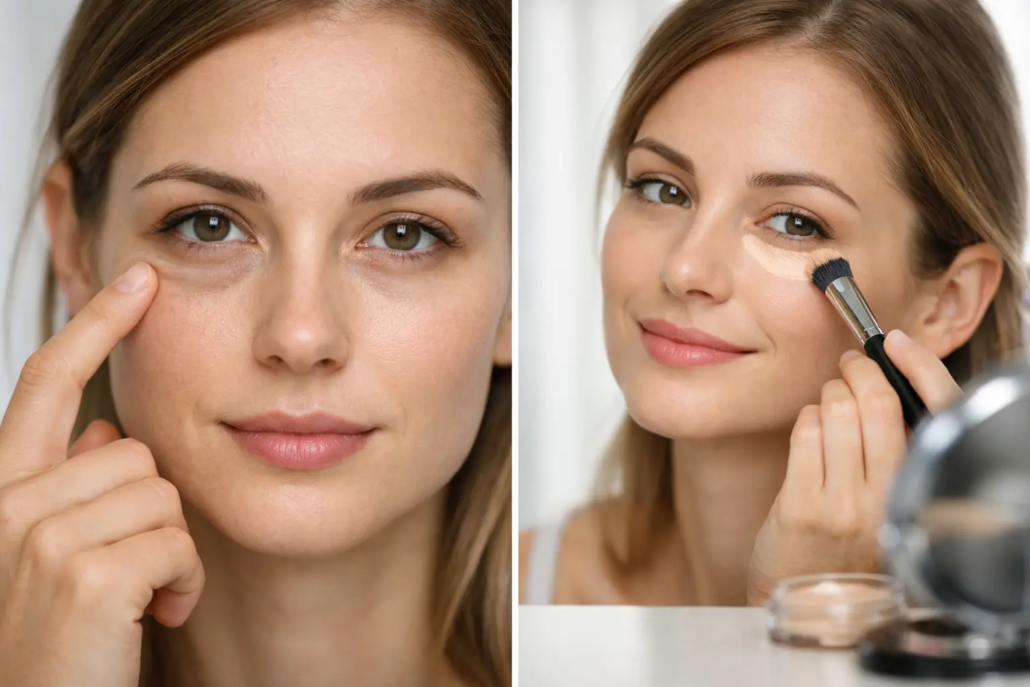
A puffy under-eye area can make a full night of sleep look invisible. The good news: you do not need a complicated routine, a drawer full of makeup, or a cosmetic procedure to look more rested before you step out the door. Knowing how to conceal eye puffiness comes down to one smart order of operations: reduce the appearance of swelling, smooth the surface, then use makeup to redirect light.
The goal is not to pile coverage onto the under-eye area. Heavy concealer can settle into fine lines, draw attention to texture, and make puffiness look more pronounced by midday. A lighter, more strategic approach creates the bright, awake look most people want.
Start by De-Puffing, Not Covering
Makeup works best after a few minutes of preparation. If you apply concealer straight onto a swollen, dry, or creased under-eye area, you are asking it to solve a problem it cannot fully hide.
Start with cool compresses for a few minutes. A chilled eye mask, cool washcloth, or refrigerated spoons can temporarily help the area look less swollen. Keep the pressure gentle. The skin beneath the eyes is delicate, and rubbing it aggressively can create more redness.
If morning puffiness is a regular concern, consider your nighttime habits, too. Sleeping with your head slightly elevated may help reduce fluid pooling around the eyes. Late salty meals, alcohol, seasonal allergies, and poor sleep can all contribute to a puffier look the next morning. You do not have to eliminate every trigger, but recognizing your patterns helps you plan ahead for important days.
Use a Light Layer of Hydration
After cooling, apply a small amount of lightweight eye cream or hydrating serum and let it absorb fully. The keyword is small. Rich products can be lovely at night, but too much emollient product under makeup may cause concealer to slide, separate, or crease.
Look for hydration that makes the skin feel comfortable without leaving a slippery finish. Hyaluronic acid, peptides, and other moisture-supporting ingredients can help the under-eye area appear smoother, especially when dryness is making fine lines more noticeable.
For a fast cosmetic boost, some people prefer an instant tightening treatment that forms a smoothing film as it dries. EpiLift is designed for this kind of quick, visible refresh, helping create a more tightened-looking canvas before the rest of your beauty routine. Apply sparingly and follow the product directions carefully. With instant formulas, more is not better. An overly thick layer may leave visible residue or make makeup harder to blend.
How to Conceal Eye Puffiness With Makeup
The most flattering makeup technique is based on light and shadow. Puffiness projects forward and catches light naturally. Instead of coating the entire bag with bright concealer, place brightness where the face needs it most: in the hollow or shadow just below the puffiness.
Correct Dark Shadows First
Under-eye bags often look worse because they create a dark crescent beneath them. If you have blue, purple, or brown discoloration in that hollow, a tiny amount of color corrector can make a major difference.
For blue or purple tones, a peach or apricot corrector often works well. Deeper skin tones may prefer a richer orange or red-orange corrector, depending on the darkness of the shadow. Tap on the thinnest possible layer only where discoloration appears. The purpose is to neutralize darkness, not create a new layer of coverage.
Let the corrector settle for a moment before moving to concealer. Rushing the layers is one of the quickest ways to create a textured finish.
Place Concealer Below the Puffiness
Choose a flexible, hydrating concealer that matches your skin tone or is no more than one shade lighter. A very bright concealer applied directly on a raised under-eye bag can spotlight it. This is the mistake that makes many people feel like concealer is working against them.
Instead, use a small brush or your ring finger to place concealer along the shadow beneath the puffy area. Blend outward and slightly upward toward the inner corner, keeping the product thin over the raised portion. This balances the contrast between the bag and the hollow so the under-eye looks flatter and more even.
A soft triangular placement can work if darkness extends toward the upper cheek, but keep it compact. Large, heavy triangles of bright product may look dramatic on camera and overly made-up in real life, particularly on skin with fine lines.
Set Only Where You Crease
Powder can extend wear, but it is easy to overdo under the eyes. Too much powder can make hydrated skin look dry and make fine lines appear sharper by lunchtime.
After blending, look straight ahead and gently press out any creases with a clean fingertip. Then use a small fluffy brush to apply a whisper-light amount of finely milled translucent powder only in the spots that tend to crease. If your under-eyes are dry, you may not need powder at all.
Avoid heavy baking under the eyes when puffiness is your main concern. It can flatten the skin’s natural finish and emphasize the very texture you are trying to soften.
Redirect Attention With the Rest of Your Makeup
A refreshed appearance is bigger than the under-eye area alone. A few intentional details can make the entire face look more lifted and awake.
Curling your lashes and applying defining mascara opens the eye area without adding weight to the lower lid. If you use eyeliner, keep it close to the upper lash line. A thick dark line under the eyes can pull attention downward and make shadows appear stronger.
Bring gentle warmth and color back to the cheeks with cream blush placed slightly high on the cheekbones. Choose a shade that gives your complexion life, rather than a gray or overly cool contour that can make the face look tired. A soft brow shape also frames the eyes beautifully and shifts focus upward.
Be selective with shimmer. A touch of subtle highlight at the inner corner of the eye can look bright and polished. Frosty or glittery product directly over puffy under-eyes, however, catches light exactly where you may prefer less attention.
Common Mistakes That Make Under-Eyes Look Puffier
The first is applying thick, opaque concealer over the entire under-eye area. Coverage does not erase dimension. When product is too heavy, it can create a noticeable texture contrast between the puffy area and the surrounding skin.
The second is using concealer that is much lighter than your foundation. Brightness belongs in the shadow below the bag, not as a spotlight across the raised skin. A close match often looks more natural and more effective.
The third is skipping skin prep. Even the best makeup technique has limits if the surface is dehydrated, flaky, or coated in too much skincare. Give each layer a moment to settle, then build coverage only where you truly need it.
Finally, avoid judging your makeup from two inches away in harsh bathroom lighting. Check your under-eyes in natural light from a normal conversational distance. The goal is a rested, believable finish, not a perfectly airbrushed close-up.
When Puffiness May Need More Than a Beauty Routine
Most under-eye puffiness is temporary and cosmetic, especially when it is worse in the morning or follows a late night. But sudden swelling, one-sided swelling, pain, itching, significant redness, vision changes, or puffiness that does not improve should be discussed with a qualified medical professional. Makeup can help you look refreshed, but it should never cover up a symptom that needs care.
For everyday puffiness, keep the routine simple: cool the area, use a light smoothing layer, correct the shadow, and place concealer with precision. A few thoughtful minutes can make the difference between looking tired and looking like you simply had a great morning.


Leave a Reply
Want to join the discussion?Feel free to contribute!