Whales: Giants of the Ocean

Whales are among the largest and most remarkable animals on Earth. These marine mammals live in oceans around the world, from warm tropical waters to the cold seas surrounding the poles.

Life Beneath the Surface

Although whales spend their lives in water, they breathe air through blowholes located on top of their heads. They must regularly return to the surface to breathe before diving again in search of food or traveling through the ocean.

Whales are warm-blooded, give birth to live young, and nurse their calves with milk. A thick layer of fat called blubber helps protect them from cold water and stores energy during long migrations.

Two Main Groups

Whales are generally divided into baleen whales and toothed whales. Baleen whales filter small animals from the water using flexible plates inside their mouths. This group includes blue whales, humpback whales, and gray whales.

Toothed whales use teeth to catch fish, squid, and other prey. Many of them also use echolocation, producing sounds and listening for returning echoes to understand their surroundings. Sperm whales, belugas, and orcas belong to this group.

The Blue Whale

The blue whale is the largest known animal to have ever lived. An adult can grow longer than a city bus and weigh well over one hundred tonnes. Despite its enormous size, it feeds mainly on tiny crustaceans called krill.

Communication and Migration

Whales communicate using clicks, whistles, pulses, and complex songs. Some sounds can travel across great distances underwater. Humpback whales are especially famous for their long, patterned songs.

Many species migrate thousands of kilometres each year. They often feed in cold, nutrient-rich waters before traveling to warmer regions where they mate and give birth.

Protecting Whales

Commercial hunting once caused severe declines in many whale populations. Today, whales also face threats from fishing gear, ship collisions, underwater noise, pollution, and changes to ocean ecosystems.

Conservation programs, safer fishing practices, protected habitats, and international cooperation can help whale populations recover. Protecting whales also supports healthier oceans because these animals play an important role in marine food webs and nutrient cycles.


Whales: Giants of the Ocean

Whales are among the largest and most remarkable animals on Earth. These marine mammals live in oceans around the world, from warm tropical waters to the cold seas surrounding the poles.

Life Beneath the Surface

Although whales spend their lives in water, they breathe air through blowholes located on top of their heads. They must regularly return to the surface to breathe before diving again in search of food or traveling through the ocean.

Whales are warm-blooded, give birth to live young, and nurse their calves with milk. A thick layer of fat called blubber helps protect them from cold water and stores energy during long migrations.

Two Main Groups

Whales are generally divided into baleen whales and toothed whales. Baleen whales filter small animals from the water using flexible plates inside their mouths. This group includes blue whales, humpback whales, and gray whales.

Toothed whales use teeth to catch fish, squid, and other prey. Many of them also use echolocation, producing sounds and listening for returning echoes to understand their surroundings. Sperm whales, belugas, and orcas belong to this group.

The Blue Whale

The blue whale is the largest known animal to have ever lived. An adult can grow longer than a city bus and weigh well over one hundred tonnes. Despite its enormous size, it feeds mainly on tiny crustaceans called krill.

Communication and Migration

Whales communicate using clicks, whistles, pulses, and complex songs. Some sounds can travel across great distances underwater. Humpback whales are especially famous for their long, patterned songs.

Many species migrate thousands of kilometres each year. They often feed in cold, nutrient-rich waters before traveling to warmer regions where they mate and give birth.

Protecting Whales

Commercial hunting once caused severe declines in many whale populations. Today, whales also face threats from fishing gear, ship collisions, underwater noise, pollution, and changes to ocean ecosystems.

Conservation programs, safer fishing practices, protected habitats, and international cooperation can help whale populations recover. Protecting whales also supports healthier oceans because these animals play an important role in marine food webs and nutrient cycles.

Whales: Giants of the Ocean

Whales are among the largest and most remarkable animals on Earth. These marine mammals live in oceans around the world, from warm tropical waters to the cold seas surrounding the poles.

Life Beneath the Surface

Although whales spend their lives in water, they breathe air through blowholes located on top of their heads. They must regularly return to the surface to breathe before diving again in search of food or traveling through the ocean.

Whales are warm-blooded, give birth to live young, and nurse their calves with milk. A thick layer of fat called blubber helps protect them from cold water and stores energy during long migrations.

Two Main Groups

Whales are generally divided into baleen whales and toothed whales. Baleen whales filter small animals from the water using flexible plates inside their mouths. This group includes blue whales, humpback whales, and gray whales.

Toothed whales use teeth to catch fish, squid, and other prey. Many of them also use echolocation, producing sounds and listening for returning echoes to understand their surroundings. Sperm whales, belugas, and orcas belong to this group.

The Blue Whale

The blue whale is the largest known animal to have ever lived. An adult can grow longer than a city bus and weigh well over one hundred tonnes. Despite its enormous size, it feeds mainly on tiny crustaceans called krill.

Communication and Migration

Whales communicate using clicks, whistles, pulses, and complex songs. Some sounds can travel across great distances underwater. Humpback whales are especially famous for their long, patterned songs.

Many species migrate thousands of kilometres each year. They often feed in cold, nutrient-rich waters before traveling to warmer regions where they mate and give birth.

Protecting Whales

Commercial hunting once caused severe declines in many whale populations. Today, whales also face threats from fishing gear, ship collisions, underwater noise, pollution, and changes to ocean ecosystems.

Conservation programs, safer fishing practices, protected habitats, and international cooperation can help whale populations recover. Protecting whales also supports healthier oceans because these animals play an important role in marine food webs and nutrient cycles.

What Causes Morning Eye Puffiness? 8 Common Triggers

You wake up, look in the mirror, and your under-eyes seem to have arrived before the rest of your face. Morning puffiness can make you look tired, stressed, or older than you feel – even after a perfectly decent night of sleep. So, what causes morning eye puffiness? Usually, it is a temporary buildup of fluid, made more noticeable by the delicate, thinner skin around the eyes.

The good news is that most morning under-eye puffiness is manageable. Once you understand what is triggering it, you can make a few smart adjustments and use fast cosmetic solutions when you want to look smoother, brighter, and more awake.

What Causes Morning Eye Puffiness?

During the day, gravity helps fluid move through the body. When you lie flat overnight, fluid can settle more easily in the soft tissue beneath your eyes. The under-eye area has very little fat and thin skin, so even a small amount of swelling can look dramatic.

For some people, puffiness disappears shortly after getting up. For others, it lingers through makeup, meetings, and morning errands. That difference often comes down to your sleep habits, diet, allergies, skin changes, and genetics.

1. Sleeping flat or not getting enough sleep

A flat sleeping position can encourage fluid to collect around the eyes overnight. Sleeping on your stomach may make it more noticeable because your face stays pressed into a pillow for hours.

Short sleep can add another layer to the problem. When you are run down, the skin may look duller and less firm, making under-eye bags stand out more. Sleep is not a magic cure for every bag, especially ones related to aging or heredity, but inconsistent rest can absolutely make puffiness look worse.

Try raising your head slightly with an extra pillow or a wedge designed for comfortable elevation. The goal is not to sleep sitting up. A gentle incline can be enough to help reduce morning fluid pooling.

2. A salty dinner or evening drinks

That restaurant meal, salty snack, or takeout dinner may show up around your eyes the next morning. Sodium encourages the body to hold on to water, and the under-eye area is one of the first places that retention becomes visible.

Alcohol can have a similar effect, though in a more complicated way. It can contribute to dehydration and disrupt sleep, which may leave the body retaining fluid while making the skin look less fresh. One evening out does not permanently create under-eye bags, but it can make existing puffiness much more obvious the following day.

You do not have to eliminate every salty food or celebratory drink. If you have an important event or photo day ahead, simply choose a lighter dinner, drink water consistently, and give yourself a little more time in the morning to depuff.

3. Allergies and nasal congestion

Seasonal allergies, pet dander, dust, and indoor irritants can all lead to puffy eyes. When allergies trigger inflammation, the body releases histamine, which can cause swelling, itching, tearing, and rubbing. Congestion can also affect circulation and drainage around the eyes, leading to the shadowy, swollen look many people recognize as allergy eyes.

If your puffiness comes with itchiness, sneezing, watery eyes, or a stuffy nose, allergies may be a major contributor. Keeping bedding clean, washing your face after spending time outdoors, and following advice from your healthcare professional can make a meaningful difference.

Resist rubbing your eyes, even when they feel irritated. Rubbing can worsen swelling and may stretch the already delicate under-eye skin over time.

4. Normal aging and changing skin structure

As skin matures, it naturally produces less collagen and elastin. The support structures around the eyes can weaken, and fat that once sat smoothly in place may shift forward. This creates a fuller under-eye contour that looks like puffiness but does not completely disappear after a cold compress or a good night’s sleep.

This is why two people can have the same late night and wake up looking very different. One may have temporary fluid retention. The other may have age-related under-eye bags that are simply more visible in the morning.

Topical skincare cannot change every structural cause of under-eye bags. But an instant tightening treatment can help improve the appearance of loose-looking, puffy under-eye skin for the day, especially when you want a more polished look without injections, downtime, or a procedure.

5. Genetics and facial anatomy

Some people are simply predisposed to under-eye bags. If close relatives have prominent bags, hollows, or puffiness, your facial anatomy may be playing a larger role than your nightly routine.

Genetic puffiness can appear earlier in life and may stay visible even when you sleep well, eat carefully, and use great skincare. That is not a personal failure. It is a reminder to set realistic expectations: lifestyle habits can reduce temporary swelling, while cosmetic solutions can help create a smoother, more refreshed appearance when you want it.

6. Dehydration and dry-looking skin

It sounds backward, but not drinking enough water can make puffiness appear more noticeable. When the body is dehydrated, it may retain fluid, and dry skin can make fine lines and under-eye texture look sharper.

Start with steady hydration during the day rather than trying to drink a large amount right before bed. Drinking too much late at night can interrupt sleep with bathroom trips, which is not exactly a recipe for rested-looking eyes.

A hydrating skincare routine also helps the under-eye area look more supple. Just be careful with heavy products immediately before sleep if they tend to migrate into your eyes or cause irritation.

7. Eye irritation and skincare sensitivity

Fragrance, harsh cleansers, expired eye makeup, lash products, or even a new eye cream can irritate the skin around your eyes. The result may be redness, watering, itching, and morning swelling.

If puffiness began after introducing a new product, stop using it around the eye area for a few days and see whether the issue improves. Choose gentle, fragrance-free formulas when sensitivity is a concern, and always remove eye makeup thoroughly before bed.

Application matters, too. Avoid rubbing in products aggressively. Use your ring finger to lightly tap a small amount around the orbital bone rather than placing a thick layer directly along the lash line.

8. Medical causes that deserve attention

Most puffy eyes are harmless and temporary, but persistent or sudden swelling should not be ignored. Thyroid conditions, kidney problems, skin conditions, infections, and certain medications can sometimes contribute to swelling around the eyes.

Seek prompt medical care if swelling is painful, red, warm, one-sided, severe, paired with vision changes, or accompanied by trouble breathing. It is also wise to speak with a healthcare professional if your eye puffiness is new, persistent, or noticeably worsening without an obvious explanation.

How to Reduce Puffy Eyes in the Morning

For ordinary morning puffiness, speed matters. A cool compress can temporarily constrict blood vessels and help reduce the look of swelling. Use a clean, cool washcloth for a few minutes, or try chilled eye masks if they feel comfortable. Do not place ice directly on the skin.

Next, sit upright, drink water, and give your face time to wake up before applying makeup. A gentle outward-and-upward massage around the orbital bone may help move the appearance of pooled fluid, but pressure should stay light. The eye area does not respond well to aggressive rubbing.

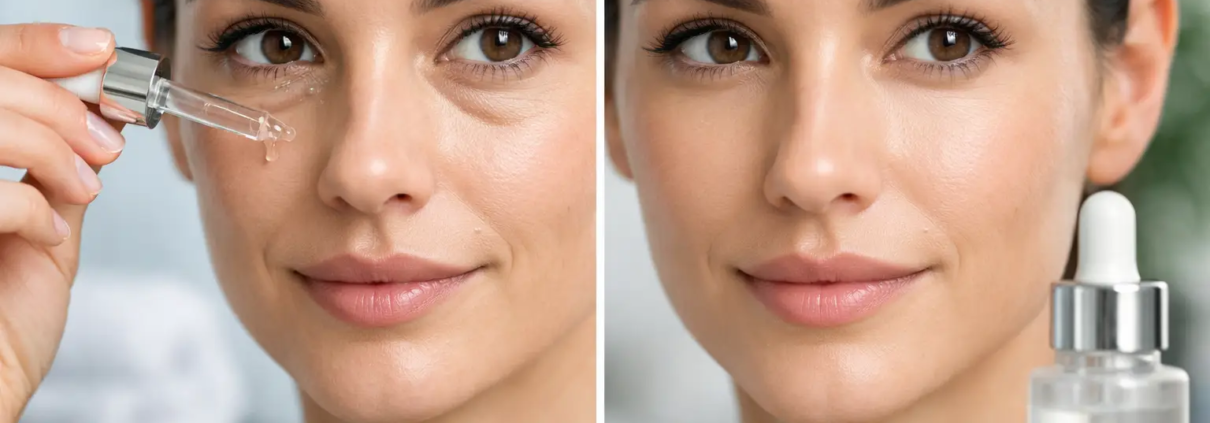
When you need a more immediate cosmetic improvement, choose products that are designed to visibly smooth and tighten the look of under-eye bags. EpiLift uses an instant tightening mineral film to help create a firmer, more refreshed appearance within minutes. Apply a very thin layer to clean, dry skin and let it set without excessive facial movement for the smoothest finish.

Makeup can help, but use it strategically. Heavy concealer on swollen skin can settle into fine lines and call more attention to texture. A light, hydrating concealer paired with a brightening corrector usually looks more natural than trying to cover puffiness with thick layers.

Build a Routine That Supports Brighter-Looking Eyes

The most effective approach is rarely one dramatic trick. It is a combination of better sleep positioning, reasonable sodium intake, allergy management, gentle skincare, hydration, and a fast-acting cosmetic option for the mornings when you want visible results now.

Pay attention to patterns for a week or two. If you consistently wake up puffy after certain meals, after drinking alcohol, during allergy season, or when sleeping flat, you have found a useful clue. Small changes are easier to stick with when you can see what they do for your reflection.

Your face does not need to look permanently exhausted just because life includes late dinners, changing hormones, seasonal allergies, or naturally fuller under-eyes. Give yourself a few calm minutes each morning, treat the area gently, and choose solutions that help you step out looking like you had the rest you deserve.


Can Tightening Serum Reduce Eye Bags Fast?

That under-eye puffiness can change the way your whole face looks, even after a good night’s sleep. So, can tightening serum reduce eye bags? Yes, the right instant formula can visibly reduce the appearance of under-eye bags by creating a temporary smoothing and tightening effect – often within minutes. The key is knowing what it can do, what it cannot do, and how to apply it correctly for a fresh, rested look.

Can Tightening Serum Reduce Eye Bags?

A quality tightening serum can make under-eye bags look less noticeable by forming a light, flexible film over the skin. As that film dries, it helps the surface of the skin look firmer, smoother, and more lifted. Puffiness appears flatter, fine lines look softened, and the under-eye area can look brighter and more awake.

This is especially useful when you need a quick cosmetic boost before work, dinner, photos, a special event, or simply a day when the mirror is showing more fatigue than you feel. Rather than waiting weeks for a treatment to gradually make a visible difference, an instant tightening serum is designed to improve the look of the area on the spot.

The effect is temporary, not permanent. A serum cannot remove fat pads, change bone structure, or replace a surgical procedure. But for visible, day-to-day under-eye puffiness, a well-applied formula can provide a convincing, non-invasive alternative to looking tired all day.

Why Eye Bags Can Be So Stubborn

Under-eye bags are not caused by one thing. They may be linked to natural aging, fluid retention, allergies, poor sleep, genetics, sun exposure, or the gradual weakening of the skin and muscles around the eyes. As skin loses firmness over time, the area beneath the eyes can look looser and more hollow, making puffiness stand out even more.

That is why a cold spoon or an extra glass of water may help sometimes but does not always solve the problem. If the issue is mainly morning fluid retention, cooling techniques may create a modest improvement. If it is skin laxity or visible texture, a tightening serum can be the more effective finishing step because it works directly on the appearance of the skin.

It also matters whether you are seeing true puffiness, dark circles, or both. Tightening formulas are strongest when your concern is the raised, puffy look of under-eye bags. Dark pigmentation, deep tear troughs, and pronounced hollows may need a different approach, such as color correction, daily sun protection, or professional guidance.

How Instant Tightening Formulas Work

The immediate effect comes from cosmetic technology, not magic. Fast-acting mineral and film-forming ingredients dry on the skin’s surface and create a delicate layer that visibly contracts and smooths the area. This can make the under-eye skin look tighter while reducing the look of creasing and puffiness.

Many advanced formulas also include skincare ingredients that support a more hydrated, conditioned appearance over time. Peptides can help support the look of firmer skin, hyaluronic acid draws moisture to the surface, and botanical ingredients can help the skin feel more comfortable and look refreshed. These ingredients do not turn an instant product into surgery in a bottle, but they add meaningful skincare value to a formula intended for regular use.

The best results come from respecting the difference between an immediate cosmetic improvement and long-term skin care. Think of the tightening effect as your fast visual payoff, while supportive ingredients help your skin look and feel better with consistent use.

What Results Should You Expect?

You may see the under-eye area look smoother and less puffy within a few minutes of application. Fine lines can appear less defined, the skin may look firmer, and your face can take on a more rested, polished appearance. For many people, that difference is enough to make concealer sit better or to feel comfortable stepping out with less makeup.

Results vary because eye bags vary. Mild to moderate puffiness and loose-looking under-eye skin often respond beautifully. Very prominent bags, severe swelling, or puffiness related to an underlying medical concern may not improve as dramatically. A sudden change in swelling, especially if it affects one eye, is a reason to speak with a medical professional rather than rely on cosmetics alone.

There is also a trade-off with makeup. Instant tightening products usually work best on clean, dry skin with no heavy eye cream underneath. Applying rich moisturizer, facial oil, or creamy makeup directly over the treated area can interfere with the film and leave a visible white residue. If you wear makeup, allow the serum to dry fully first and use only a small amount of compatible product afterward.

How to Apply Tightening Serum for the Best Look

Application is what separates a noticeable result from a disappointing one. Start with clean, completely dry skin. Do not apply your usual rich eye cream beneath the serum if you want the strongest tightening effect. Oils and moisturizers can prevent the formula from adhering evenly.

Use a very small amount – less than you think you need. Place a tiny dab on your fingertip or a clean brush, then gently smooth a thin, even layer over the under-eye bag. Avoid rubbing back and forth. Patting and light sweeping motions help prevent product buildup.

Once applied, keep your face relaxed and still while the serum dries. Do not squint, smile broadly, or touch the area for a few minutes. You may feel a mild tightening sensation as it sets. That is normal with formulas made to visibly firm the surface of the skin.

If you see a white film, you likely used too much product or applied it over skin that was not fully clean and dry. A damp cotton swab can carefully lift the excess. On your next application, use less serum and spread it more thinly.

A simple pre-event routine

For a polished, camera-ready look, apply your usual skin care to the rest of your face first, keeping it away from the immediate under-eye area. Let everything settle, then apply the tightening serum as your final treatment step around the eyes. Give it time to dry before adding minimal makeup.

This small adjustment can make a major visual difference. The goal is not to cover the eye bags with layers of concealer. It is to reduce their appearance first, then let your complexion look naturally smoother and more awake.

Can You Use a Tightening Serum Every Day?

Many people use instant tightening serum as part of their daily beauty routine, especially on workdays, travel days, and occasions when they want to look refreshed quickly. Follow the directions for your specific product, and always patch test first if your skin is sensitive.

Avoid applying too close to the lash line or allowing product to get into the eyes. If you experience burning, persistent irritation, or redness, rinse the area and stop use. The under-eye area is delicate, and a product should feel comfortable once it has dried.

For a fast, visible transformation, EpiLift is designed to help smooth the look of eye bags, fine lines, and loose-looking skin without needles, downtime, or a complicated routine. The most satisfying results usually come from a thin application, a few quiet minutes to let it set, and realistic expectations about what an instant cosmetic treatment can deliver.

The Smart Way to Think About Under-Eye Tightening

A tightening serum is not about pretending aging never happens. It is about having control over how you look when you want to feel your best. You do not have to commit to injectables, recovery time, or an expensive procedure to give tired-looking eyes a more lifted appearance today.

Keep the formula handy for mornings when puffiness shows up uninvited, for moments when your face needs a quick reset, and for any day you want the mirror to reflect how energized you feel. A few careful minutes can be enough to turn under-eye bags from the first thing you notice into the last thing on your mind.

Translate »